What to Do After a Relapse

40-60% of people in recovery relapse. Relapse is a person in recovery’s greatest threat to achieving sobriety. Unfortunately, many may not know what to do if they relapse, which can inevitably put them in a downward spiral. In this article, we’ll explore what to do after a relapse, so you can know what to do if you or someone you know relapses. At The Differents, we are a luxury drug and alcohol rehab in Reno committed to helping clients lead healthier, happier lives. We help clients overcome addiction and rediscover their passions so that they can reach their fullest potential. Gone are the days of suffering alone with your addiction. Contact us today to learn more about how our compassionate team can help you break free from addiction. 5 Things to Do After a Relapse You should never be afraid to seek help and support after relapsing. Keep reading to learn more about what to do after a relapse. After relapsing, it is important to stop and remove yourself from the situation or place to prevent further relapsing. For example, if you found yourself hanging around old friends who triggered cravings and caused you to relapse, it is important to cut ties with those friends, remove yourself from the situation, and seek help from trusted friends, family members, and mentors. As stated above, if you relapse, you must seek out help from your support system. The last thing you want to do is keep your relapse to yourself because this puts you in a dangerous situation to relapse again in the future. Be sure you reach out to a trusted family member or friend, or consider reaching out to a local treatment facility for support. While relapsing hurts your sobriety, it doesn’t mean you should judge or shame yourself for how far you’ve come in your recovery journey. Relapsing doesn’t mean you can’t keep overcoming addiction. Therefore, resist the urge for negative self-talk to hurt your overall recovery journey. Then, create a recovery plan to help you get back on track with your recovery journey. This may vary depending on the individual. Some individuals may benefit from seeking inpatient care again, while others may benefit from seeking outpatient care options. Finally, it is important to learn from your mistakes. Your relapse does not define your journey and how far you’ve come on your road to recovery. However, it can point to certain blind spots, such as specific triggers or cravings that you may not have been fully aware of that ultimately caused you to relapse. Help Is Available Now you know more about what to do after a relapse. While relapsing hurts your recovery journey, it does not define your progress and how far you’ve come. You must remove yourself from the situation and seek help from your support system so you can create a plan to get you back on track toward maintaining long-term sobriety. At The Differents, we are a luxury drug and alcohol rehab in Reno committed to helping clients regain control over their health and quality of life. No more suffering in silence with your addiction– we are here to help you every step of the way. Contact us today to learn more about how our compassionate team can help you break free from addiction. Frequently Asked Questions
Signs of Self Sabotage in Recovery

Addiction recovery can be filled with many ups and downs. Unfortunately, sometimes seeking treatment isn’t enough to effectively break free from addiction. Self-sabotage in recovery is a potential risk many must look out for in their road to recovery. In this article, we’ll explore the many signs of self-sabotage in recovery so you can successfully overcome your addiction for good. At The Differents, we are a luxury drug and alcohol rehab in Reno committed to helping patients break free from addiction. We help patients overcome addiction and rediscover their passions so that they can reach their fullest potential. No more suffering in silence, our compassionate team of addiction specialists and mental health professionals is here to help. Ready to begin your recovery journey? Contact us today to learn more! 7 Signs of Self-Sabotage in Recovery Recovery is difficult, and unfortunately, many recovering addicts can fall victim to self-sabotaging their recovery journey; oftentimes, without even realizing it. Keep reading to learn the signs of self-sabotage in recovery to look out for so you can effectively progress along your recovery journey. First, downplaying your drug problem or ignoring the severity of it is a common sign of self-sabotage in recovery. This can look like not having the motivation to seek professional support or losing motivation in treatment, thinking that your drug problem wasn’t that bad to begin with. Unfortunately, this mindset increases your risk of relapse and keeps you from progressing in your recovery. Another common sign of self-sabotage in recovery is isolating yourself from others. This can look like no longer spending time with close family or friends who support your recovery, or distancing yourself from those trying to support your recovery journey, such as your mentors or therapists. Another classic sign of self-sabotage in recovery is skipping out on treatments. Whether it is because you think you no longer need treatment/ think your condition is not that bad, or simply don’t want to go to your treatment, this can result in increasing your risk of relapse. When you spend time around negative people, places, or situations that can trigger cravings to abuse drugs or alcohol, these are more ways in which you can self-sabotage your recovery journey. This is because when you surround yourself with other people or places where abusing drugs or alcohol is normal, this can quickly result in you falling back into old habits and unhealthy behaviors of abusing drugs, thus jeopardizing your recovery journey. Other factors, like leading an unhealthy lifestyle, can result in self-sabotaging your recovery. This can look like not getting enough sleep each night, eating poorly, or living a sedentary lifestyle. Because recovery is all about leading a healthier lifestyle, when you are not doing other behaviors that align with that healthy lifestyle, this can increase your risk of relapse. While you don’t need to lead a “perfect” healthy lifestyle, daily healthy habits can quickly shape who you are, such as helping support your recovery journey. Another sign of self-sabotage in recovery is testing your boundaries. If you are a recovering alcoholic and set a boundary that you will not go to bars where drinking is prevalent, breaking this boundary can quickly put you in a risky situation of jeopardizing your recovery journey. While each recovering addict’s boundaries will differ, it is critical to set clear boundaries for yourself and keep them so you can maintain sobriety. Last but not least, a common but often overlooked sign of self-sabotage in recovery can be resisting help from others. This can look like resisting help from others when you are first starting your recovery, or it can look like not accepting help when you are further along in recovery/ have been sober for months/years. You never have to fight your addiction alone. Our compassionate team at The Differents is here to help you every step of the way! Help Is Available Now you know more about the many signs of self-sabotage in recovery. From isolating yourself from others to downplaying the severity of your drug problem, these are all signs to look out for if you suspect you or someone you know may be struggling with addiction and is on their road to recovery. At The Differents, we are a luxury drug and alcohol rehab in Reno committed to helping patients achieve lasting sobriety. We help patients overcome addiction so that they can achieve long-term sobriety. Gone are the days of suffering alone with your addiction. Contact us today to discover how we can help you lead a healthier, happier life. Frequently Asked Questions
How Effective is EMDR for Anxiety Treatment?

Sarah’s therapist suggested something that sounded, frankly, bizarre: “Follow my fingers with your eyes while thinking about your panic attacks.” After three years of medication and talk therapy, the idea that eye movements could touch her fear seemed almost comical. Six months later, Sarah’s story changed. “I can’t fully explain how it worked. But that first panic attack, the one that kept replaying every time my heart rate increased, doesn’t have the same power anymore. My brain finally filed it away as something that happened, not something that’s still happening.” If you’re researching EMDR for anxiety, you’ve probably encountered vastly different claims from miracle cure to pseudoscience. Here’s the confusing part: both perspectives contain truth. Eye Movement Desensitization and Reprocessing can meaningfully reduce anxiety for some people, particularly when anxiety stems from distressing memories that haven’t been fully processed. But it’s not universal, and for many anxiety presentations, other approaches remain stronger starting points. You deserve to understand what we actually know, what remains uncertain, and how to think through whether EMDR might help your situation. What EMDR Actually Does In the late 1980s, psychologist Francine Shapiro noticed something odd during a park walk: her distressing thoughts seemed to lose intensity when her eyes moved back and forth. What began as personal discovery evolved into a structured therapy targeting memories that stay “stuck” in the nervous system, continuing to trigger anxiety years after the original event. Think of it this way: when something overwhelming happens like a car accident, a humiliating moment, a frightening medical emergency, your brain sometimes stores that memory in a way that keeps it emotionally alive. The original threat has passed, but your nervous system hasn’t gotten the memo. EMDR therapy uses bilateral stimulation (usually guided eye movements, though sometimes tapping or sounds) to help your brain reprocess these memories, filing them away as “past” rather than “present danger.” The therapy follows eight structured phases, including history-taking, preparation, identifying target memories, desensitization work with bilateral stimulation, and follow-up. Sessions typically run 60 to 90 minutes. The number you’ll need depends entirely on what you’re working Single-incident fears sometimes shift within several sessions, while longstanding patterns take considerably longer. What the Research Shows The scientific picture is more nuanced than either enthusiastic advocates or dismissive skeptics suggest. Researchers compiled 17 randomized trials across various anxiety disorders in participants and found moderate-to-large reductions in anxiety, panic, and phobia symptoms. The effect sizes were notable (anxiety reduction around g = -0.71), meaning real, measurable improvements. The caveat? Most studies were relatively short-term, and longer-term data remains limited. For generalized anxiety disorder, a 2025 study found that both face-to-face and web-based EMDR produced substantial improvements compared to waitlist controls. Encouraging news for telehealth access. The limitation? No head-to-head comparison with other active treatments. In panic disorder, researchers tested EMDR against CBT in 2017 and found the approaches roughly equivalent three months post-treatment. EMDR didn’t outperform CBT, but it didn’t fall behind either, positioning it as a reasonable alternative. The pattern: For anxiety EMDR shows promise, especially when anxiety ties back to identifiable distressing events. The evidence thins in head-to-head comparisons with gold-standard CBT and in understanding which specific anxiety presentations benefit most. When EMDR Makes Sense Marcus describes his anxiety as having a specific origin: a presentation five years ago where he forgot his words and watched colleagues exchange uncomfortable glances. “Since then, every meeting invitation triggers dread. My brain plays that memory on loop. I know logically it’s in the past, but my body doesn’t.” If your anxiety traces back to specific events like Marcus’s that left you hypervigilant, a panic attack that keeps replaying, early experiences that shaped how unsafe the world feelsEMDR’s memory-processing approach aligns with what needs to happen. You’re not trying to talk yourself out of fear. You’re targeting the original material that encoded the fear response. EMDR may fit if your anxiety connects to identifiable distressing memories, you feel “stuck” despite understanding your fears aren’t logical, your fear response feels disproportionate to present circumstances, or previous talk therapy helped somewhat but didn’t fully resolve things. The UK’s National Institute for Health and Care Excellence recommends CBT as first-line for generalized anxiety and panic disorder. But for PTSD from non-combat trauma, NICE recommends EMDR as frontline treatment alongside trauma-focused CBT. Given how often trauma and anxiety co-occur, this matters more than it might initially seem. What to Expect EMDR sessions look different from traditional talk therapy. After initial sessions establishing history and goals, your therapist identifies target memories, usually starting with an image, the negative belief it encodes, associated emotions, and where you feel those physically. Then comes the bilateral stimulation: following the therapist’s fingers while holding the memory in mind, allowing whatever associations arise to surface. You might move from the original memory to related memories, to body sensations, to sudden insights about patterns you’ve never connected before. It can feel strange. Some describe it as dreamlike. Others say it’s exhausting in a productive way like emotional strength training. Cleveland Clinic notes that the risk profile is low when delivered by trained clinicians, and temporary increases in emotional activation are common, manageable parts of the process. Finding Support If you’re exploring trauma-informed approaches to anxiety in Nevada, our clinicians integrate EMDR within flexible outpatient programming. We recognize that healing rarely follows a single path, which is why we also offer traditional anxiety treatment options and can help you think through what combination of approaches might serve you best. Your anxiety has a story. We’d like to help you change how that story lives in your body and mind. Moving Forward Deciding to address your anxiety is itself an act of courage. You’re reading this because some part of you believes change is possible. EMDR isn’t magic, and it’s not right for everyone. But for many people whose anxiety has roots in experiences that never fully got processed, it offers a path to resolution that feels different than what they’ve tried before. Less about
How to Regulate Emotions in Recovery

Early sobriety can feel like someone turned up the volume on everything. Anger that used to simmer now boils over. Sadness that you could drink away sits heavy in your chest. You might wonder if you’re doing recovery wrong, but here’s the thing: emotions in recovery often spike before they settle. Your brain spent months or years adapting to substances that hijacked its reward and stress systems. Now that you’ve stopped, those circuits are recalibrating. Ordinary stress feels enormous because, well, it kind of is right now. Your brain is relearning how to handle stress without chemical help. This isn’t a character flaw—it’s neuroscience. So what helps? Start with what psychologists mean when they talk about emotion regulation: it’s not about shutting feelings down. It’s the set of processes we use to influence which emotions show up, when they arrive, and how we experience and express them. Think of it less as control and more as navigation. Why Early Recovery Amplifies Everything After you stop using alcohol or drugs, your nervous system gradually shifts away from the extremes it adapted to. Sleep gets weird. Appetite swings. Energy crashes or spikes without warning. Triggers you once managed by using now arrive unfiltered, and your brain hasn’t yet rebuilt the circuitry to process them smoothly. The goal isn’t to stop having emotions—that’s neither possible nor healthy. The goal is to make space for them and choose responses that align with the life you’re building, not the one substances stole. A Simple Framework: Name It, Normalize It, Navigate It When a big feeling lands, try this: Name it. Anxiety. Shame. Loneliness. Rage. Labeling what you feel lowers its intensity and clarifies your options. Normalize it. Remind yourself this is common, even expected. Thousands of people in recovery have felt exactly this way. It will pass. Navigate it. Pick a skill that matches the intensity of what you’re feeling and what you need to do next. Crisis Tools: When You’re Near the Edge When you’re overwhelmed and close to relapse, reach for body-based skills first. They work faster than trying to think your way out. In Dialectical Behavior Therapy, therapists teach three fast techniques called TIP skills:temperature, intense exercise, and paced breathing. They’re designed to quickly change your body chemistry and pull you out of emotional overwhelm. Here’s how they work: Temperature. Hold your face under cold water or press an ice pack to your forehead for ten to thirty seconds. The cold triggers a dive reflex that slows your pulse and shifts you out of panic mode. (If you have a heart condition or take beta-blockers, check with a clinician first: this handout notes the technique can affect heart rate.) Intense exercise. Do jumping jacks, sprint in place, or run up and down stairs for sixty seconds. Burn off the adrenaline fueling the surge. Paced breathing. Breathe slowly, making your exhales longer than your inhales. Count to four on the inhale, six on the exhale. Do this for two minutes. Two other quick tools: Five-four-three-two-one grounding. Quietly name five things you see, four you can touch, three you hear, two you smell, one you taste. This pulls you out of the spiral and back into the present. Urge surfing. When a craving or anger wave rises, picture it as an actual wave; cresting, peaking, then falling. Don’t fight it or act on it. Just ride it out. The technique comes from Alan Marlatt’s work on relapse prevention, and it helps you tolerate urges without either white-knuckling through them or giving in. Building Long-Term Steadiness Crisis tools get you through the spikes. But if you want your baseline to shift, fewer spikes, faster recovery when they do hi, you need daily practices and structured therapy. Mindfulness. Consistent mindfulness practice lowers reactivity, reduces craving, and improves outcomes. Research on mindfulness in addiction treatment shows benefits across multiple studies, particularly for negative mood and urge reactivity. And no, mindfulness isn’t just sitting still on a cushion. You can practice while walking, washing dishes, or spending time outside. The core idea is paying attention on purpose, without judging what you notice. Reframing the story, not suppressing the feeling. Cognitive strategies like reappraisal—changing what a situation means to you—tend to work better than pushing feelings down. Research comparing different emotion regulation strategies found that reappraisal leads to better mood and functioning than suppression. For example, instead of thinking “I can’t handle this, I’m going to relapse,” you might reframe it as “This is hard, and I’m still here. That’s evidence I can handle it.” Therapies that teach skills. If emotions in recovery are tangled up with trauma, anxiety, or beliefs like “I’m broken,” structured therapy helps. CBT at The Differents focuses on noticing thoughts, testing whether they’re true, and choosing new behaviors based on what you learn. If old trauma lights the emotional fuse, EMDR therapy may reduce the charge tied to past memories, which often softens present-day reactivity. Lifestyle anchors. Regular sleep, meals, hydration, and movement aren’t optional. They stabilize the biology that emotions ride on. If nature helps you exhale, consider our outdoor therapy program in Reno and Tahoe. Even short daily doses;ten minutes outside, noticing what you see and hear;can reset your nervous system. When to Add More Support If you’re frequently overwhelmed, isolating, flirting with relapse, or if emotions block your ability to work, parent, or stay safe, it’s time to add structure. Our Intensive Outpatient Program provides multiple therapy sessions per week while you sleep at home or in sober living. Many clients also benefit from experiential work; movement, creativity, time outside, which we weave into treatment through outdoor therapy. If you’re in immediate crisis or considering harming yourself, call your local emergency number or a crisis line right now. Recovery at The Differents is designed to feel human and creative, not institutional. If you’re ready for structured help or have questions about fit, reach out, and we’ll talk through options. Quick Skills to Try Today Weekly Anchors to Build FAQs: Emotions
Strategies for Maintaining Accountability in Addiction Recovery

On a Tuesday morning, you’re sitting in your car outside group. The dashboard clock reads 6:58. Your phone buzzes—just one line from a friend in recovery: Checking in. What’s your plan for tonight? You stare at the message longer than necessary, not because you don’t have a plan, but because being asked makes it real. You text back. The night shifts a degree toward safety. Accountability, without the shame Here’s the tension: accountability in addiction recovery can feel like a spotlight you never asked for. It can sound like Do better when what you need is Let’s make “better” doable. True accountability isn’t about catching you; it’s about catching you before you fall—like scaffolding while you rebuild. Think of it this way: you built habits that once helped you survive. They protected you then, but now they’re heavy to carry. Accountability isn’t a verdict on your character—it’s the handrail as you cross to a sturdier path. Why Accountability Works When we talk about accountability, we’re really talking about three ingredients: Accountability works because it keeps recovery from becoming an isolated project. Continuing care matters because continuity of care improves outcomes across the recovery journey—not just during the first intense weeks. How The Differents Can Help Accountability doesn’t have to be loud to be strong. Here are ways to put quiet guardrails in place—each designed to protect your autonomy and lower the odds that a rough day turns into a runaway week: The Protective Logic You Might Be Missing If you’ve dodged check-ins before, it may not be laziness—it’s privacy doing its job. Secrecy once kept you safe: from judgment, from chaos, from grief you didn’t have tools for. The twist is that what once protected you can now isolate you. The goal isn’t to rip the door off; it’s to install a lock you control. Accountability becomes a front door: open, close, or latch—your choice. Myths about Accountability in Recovery When Accountability Slips Slips don’t erase progress—they refine it. Ask: What was I trying to solve for in that moment—pain, pressure, loneliness? Then patch the plan where it’s thin. Maybe your aftercare cadence needs to increase. Maybe you add a group or a nightly text ritual. Accountability that grows with you is accountability that lasts. Bringing It Back It’s 6:59 now. You’ve named your plan out loud, and the knot in your chest loosens half a notch. You walk in—not because someone will scold you if you don’t, but because you’ve chosen a few people and practices to stand with you when the day leans hard. That’s accountability. Not a spotlight—just enough light to see the next step.
How to Have Fun in Recovery

In early recovery, quitting substances often leaves life feeling flat due to dopamine crashes and rewired brain reward systems, causing a temporary inability to feel pleasure. This phase, which can last around 90 days, is challenging but necessary for healing. To rediscover joy and protect against relapse, incorporating safe, research-backed activities is key: spending time in nature, exercising, engaging in creative hobbies, building sober friendships, and practicing quiet mindfulness or sound therapy. These activities boost natural dopamine, reduce stress, and create new positive brain pathways, making fun a vital part of recovery—not just a luxury but a form of protection. Embracing joy through creativity, movement, and connection helps rebuild a fulfilling, substance-free life. How to Have Fun in Recovery “Will I ever laugh this hard again?” When you first quit drugs or alcohol, that doubt can echo like an empty room. For years those substances were your ticket to concerts, bonfires, and backyard barbecues. Without them, life can look gray. That gloom won’t last—your brain is healing. Once you understand the science and get curious, you’ll see that fun in recovery is not just possible; it can be deeper, wilder, and more real than anything you felt while using. Why Early Sobriety Can Feel Flat Addiction rewires the brain’s reward center, flooding it with dopamine and teaching you that joy comes from chemicals, not real life. When you quit, dopamine levels crash. That crash can cause anhedonia, a short spell when nothing feels good. Most people begin to feel pleasure again after about 90 days of abstinence. Brain scans even show that former meth users’ dopamine systems are close to normal by 14 months. During this reset, boredom can sting—and many people list it as a top trigger for relapse. The fix isn’t to tough it out; it’s to add safe thrills so your reward system wakes up the healthy way. Five Research‑Backed Ways to Have Fun 1. Find Awe Outside Just 20 minutes in nature can lower stress hormones, reports Harvard Health. Stretch that into a sunrise hike, a kayak trip, or a mountain‑bike ride and you’ll pump out endorphins and dopamine. At The Differents’ Outdoor Therapy, clients climb, paddle, and snowshoe in the Sierra Nevada—the rush feels better when you remember every second. 2. Move Your Body Exercise is mood medicine you make yourself. A brisk 30‑minute walk can lift spirits, according to another Harvard Health article. Try yoga, pickup hoops, or a sober salsa night. The Differents blends movement into care—guided hikes, yoga‑pilates classes, and ski days—because sweaty smiles fight relapse. 3. Use Your Creativity Playing guitar, throwing paint, or writing goofy poems sparks small hits of dopamine. Organizational psychologist Dr. Mike Rucker calls fun “rocket fuel” for mood and friendships. In our studio, clients try pottery wheels, sound‑bath meditation, and more. Talent isn’t required—only a willing mind. 4. Grow a Sober Friend Group The right people—not the right drink—make parties great. Check out sober Meetup hikes, board‑game cafés, or volunteer gigs. Laughing itself lowers pain and boosts immunity. At The Differents, you’ll join campfire stories, alumni game days, and outings that trade hangovers for real memories. 5. Try Quiet Fun Mindfulness, breathwork, and sound‑baths can feel like a calm high. Many clients shed their first tears of relief during a 30‑minute sound‑bath. That’s why our holistic program offers meditation pods, crystal‑bowl concerts, and energy work. Peace counts as fun, too. Fun Is Not Frivolous—It’s Protection Stress and boredom speed up relapse; joy slows it down. Every sober smile lays a new brain path that says life feels good again. As days become weeks, those paths turn into highways. One morning you’ll catch yourself laughing in the coffee line or geeking out over a new hobby—and notice you haven’t thought about using at all. Recovery isn’t just removing a substance; it’s adding wonder. Whether you’re carving fresh snow, belting karaoke off‑key, or meditating to a ringing gong, you’re telling every cell you are alive, present, and free. Ready to put fun back on the menu? Let The Differents show you how Rehab Re‑imagined means creativity, adventure, and joy—required. FAQ How long before fun feels normal again? Most people feel pleasure start to return within 2–3 months as dopamine rebounds. Staying active—even on low‑energy days—helps speed this up. What if my friends still drink? Plan alcohol‑free outings (escape rooms, comedy shows, lake days). Bring your own mocktail and an exit plan. At the same time, build new sober friendships through groups and Meetups. Do I need to become an athlete or artist? No. Fun is personal. Try gardening, coding, stand‑up, dog training—anything that sparks curiosity. Start small and follow the smile.Can fun really stop relapse? Yes. Joy releases endorphins, lowers stress hormones, and strengthens healthy brain paths, making cravings easier to resist.
Signs of Cocaine Addiction

Cocaine hijacks the brain’s reward system by flooding it with dopamine, making everyday pleasures seem dull and leading to stimulant use disorder—a brain condition, not a moral failing. Early warning signs include bursts of energy followed by crashes, disappearing money, changing social circles, unexplained nose issues, and long bathroom breaks. Mood and behavior swings are common, with highs marked by confidence and chatter, crashing into irritability, sadness, and secrecy as dopamine drops and stress hormones rise. Physical signs include wide pupils, jaw clenching, weight loss, rapid heartbeat, and persistent “sinus infections,” while harder-to-spot symptoms include paranoia, nightmares, and a crawling-skin sensation. The risk is worsened by street cocaine often being laced with fentanyl, contributing to rising overdose deaths. Trusting your gut and noticing these signs early can be lifesaving. Signs of Cocaine Addiction From One “Bump” to 4 A.M. Amanda, a young guitarist, used to crash the moment her gigs ended. One night a friend handed her a tiny, clear packet. “Just a bump,” he said. The hit kept her buzzing—she could load the amps and still laugh on the ride home. It felt harmless, so she did it again. A year later, Amanda’s “nightcap” lasted until sunrise. Her heart raced, she stopped eating, and she watched $2,000 drain from her bank account. When did one line turn into the whole night? If any part of Amanda’s story rings true for you—or for someone you love—read on. We’ll show you the warning signs of cocaine addiction and how the team at The Differents helps people find steady ground again. What Cocaine Does in the Brain Cocaine floods the brain’s reward pathway, dumping dopamine—the “feel‑good” messenger—into overdrive. Ordinary joys like sunsets, jokes, or a child’s smile can’t compete. Doctors call this change stimulant use disorder. It’s a brain shift, not a moral failure. Five Early Warning Signs Trust your gut; that uneasy feeling often shows up first. Mood and Behavior Swings During the high, people may feel unstoppable—chatty, witty, full of plans. When the drug wears off, the crash can bring anger, gloom, or panic. Watch for: These swings happen because dopamine drops while stress hormones surge. Body Clues and Mental Strain Easy to spot Harder to see Street cocaine is often mixed with fentanyl. Overdose deaths from stimulants hit record levels in 2024. The Hidden Damage How Recovery Works Why The Differents Stands Out Set beside the Sierra Nevada, The Differents offers quiet rooms washed in mountain light. A 1‑to‑3 staff‑to‑client ratio means your therapist really gets to know you. Extra supports include: FAQ What’s the first giveaway? Long, secretive bathroom breaks plus sudden energy bursts often show up before nosebleeds. Can I quit on my own? Some succeed with strong outpatient help and close support. Inpatient care lowers relapse risk, especially in the fragile first month. How long is detox? The crash peaks in 3–7 days. Low mood can linger, but good sleep, food, and therapy speed recovery. Is there a pill that blocks cocaine? No approved blocker yet. Success comes from therapy, healthy living, and treating any mental‑health issues. What if my loved one denies the problem? Use “I feel worried” statements, set clear boundaries, and call a professional if safety is at risk.Ready to swap 4 a.m. panic for calm mornings? Call (844) 407‑0461 or start your journey at The Differents. Your next chapter can be brighter than any high.
How to Build Healthy Relationships in Recovery

Building healthy relationships during recovery is crucial for long-term sobriety and emotional well-being. Strong, supportive relationships help you navigate the challenges of recovery while providing a sense of community and accountability. Here are some key strategies to help you cultivate meaningful and healthy connections: Prioritize Communication Open and honest communication is the foundation of any healthy relationship. In recovery, it’s important to express your feelings, concerns, and needs clearly. Avoid keeping secrets or bottling up emotions, as this can lead to misunderstandings and resentment. Practicing active listening and empathy allows you to better understand and support others. Surround Yourself with Supportive People It’s essential to connect with individuals who understand your journey and encourage your growth. Seek out people who support your recovery goals, whether they’re fellow individuals in recovery, friends, or family members who are committed to being positive influences. Surrounding yourself with these individuals will help you stay motivated and grounded in your recovery. Set Healthy Boundaries In recovery, it’s vital to set clear boundaries to protect your well-being and maintain healthy relationships. Learning to say no when necessary and establishing limits helps prevent toxic dynamics and ensures that you prioritize your recovery. Respect others’ boundaries as well, and be mindful of how your actions affect those around you. Let Go of Toxic Relationships Some relationships may not be conducive to your recovery. If certain people trigger negative behaviors or hold you back, it’s okay to distance yourself from them. Letting go of toxic relationships can be difficult, but it’s necessary for maintaining your mental and emotional health. Surround yourself with people who uplift and inspire you. Be Honest About Your Recovery Journey Being transparent about your recovery journey fosters deeper, more authentic connections with others. Share your struggles and successes with trusted individuals. This honesty encourages mutual support and strengthens bonds with others who may be on a similar path. It also helps people understand your needs and limitations better. Practice Patience and Understanding Recovery is a long-term process, and so is building meaningful relationships. Be patient with yourself and others as you navigate this journey. Everyone is at different stages of their recovery, and it’s important to allow room for growth. By being patient and understanding, you contribute to the healing of both yourself and those around you. Engage in Healthy Activities Together Participating in positive activities with others can help build stronger relationships. Whether it’s attending support group meetings, exercising together, or engaging in hobbies, these shared experiences foster a sense of community and mutual support. Enjoying life’s simple pleasures together reinforces healthy interactions and provides opportunities for connection. Seek Professional Help When Needed Sometimes, professional support is necessary for navigating relationships, especially if they involve complex dynamics or past trauma. A therapist can provide valuable insights and coping strategies for maintaining healthy connections. Therapy or couples counseling can also help resolve issues and strengthen communication within relationships. Practice Gratitude and Appreciation In recovery, practicing gratitude can shift your focus toward the positive aspects of your relationships. Expressing appreciation for the support you receive helps strengthen bonds and reinforces positive behavior. Regularly acknowledging and celebrating the contributions of others fosters an atmosphere of love, trust, and mutual respect. Embrace Vulnerability Building healthy relationships in recovery requires embracing vulnerability. Being open about your struggles, fears, and emotions allows others to connect with you on a deeper level. Vulnerability is an essential part of forming authentic, supportive relationships that are built on trust and understanding. The Differents Can Help By practicing these strategies, you can build healthy, supportive relationships that contribute to your overall recovery journey. Surround yourself with people who care for you and your well-being, set healthy boundaries, and be patient as you grow both individually and together in recovery.
3 Hidden Effects of Trauma in Relationships

If you are struggling with untreated trauma, you might not realize the hidden effects of trauma in relationships. Untreated or unprocessed trauma can make its way into your personal relationships and even impact professional relationships. The Hidden Effects of Trauma in Relationships So, what are the three hidden effects of trauma in relationships? #1: Trust Issues Perhaps the biggest and most obvious are trust issues. Previous traumatic experiences can make it very difficult for an individual to fully trust their partner, even when their partner shows genuine love and concern. This can have a creeping effect on relationships, making one partner constantly suspicious in their relationship. For example: John was happily married to his high school sweetheart for ten years when he learned that she had been cheating on him for half that time and that all of her ‘business trips’ were actually trips to meet up with his best friend, who was also the best man at their wedding. So now, when John’s new girlfriend says she has to travel for business, he becomes suspicious immediately. This causes him to become irritable and lash out at her before she leaves, and when she comes back, he calls and texts repeatedly and demands that she keep in constant contact while she is away. #2: Overreactions Trauma can lead to the development of triggers. Triggers refer to any situation, person, or location that cause emotional distress. This distress can be severe enough that it results in emotional outbursts or overreactions that are disproportionate to the event or circumstance. For example: Mary was the victim of sexual assault when she was younger, so now, one of her triggers is men physically trapping her. When at a church function, Mary opened her car door to grab something but when she turned around, there were two other men, a father and his teenage son, standing about two feet away from her, the father with his hand on her open car door as they had approached her to talk about joining the choir. Mary, triggered, immediately screamed for them to move out of her way and ran off. To the father and son, this seemed like an overreaction to them approaching her in a crowded church parking lot full of other church members. #3: Intimacy Issues Unprocessed trauma can also lead to intimacy issues. It is not uncommon for someone with trauma in their past to want intimacy but to subconsciously sabotage any attempts at intimacy by either physically or emotionally withdrawing because they don’t want to get hurt again. For example: Tina wants nothing more than to be close to her partner. Whenever her partner starts to open up emotionally, though, Tina makes fun of them, calls them names, or makes other belittling comments to stay in control. Tina doesn’t realize why she’s doing this, but she knows that she doesn’t want to get hurt again, and if she can get the other person to say something sweet or do something intimate, but she doesn’t reciprocate, she ‘wins’ and is therefore slightly more protected than the partner. EMDR Treatment for Trauma One of the most popular forms of treatment today for trauma and PTSD is Eye Movement Desensitization and Reprogramming, or EMDR. Used by the WHO and Department of Veterans Affairs, EMDR has the highest success rate of all trauma treatment. It works by reprocessing the way in which traumatic memories are stored and, in so doing, overcomes many of the triggers and subsequent symptoms of PTSD. For many, the appeal is not just the success rate but the fact that, unlike traditional trauma therapy, EMDR does not require you to sit and talk about the traumatic event in great detail with a therapist but rather to just recall it in your mind as you follow specific eye movements. This is best when it is part of a comprehensive treatment plan, including other modalities that encourage emotional resilience and coping skill development like CBT, ACT, mindfulness and meditation, art therapy, and music therapy. Getting Trauma-Treatment with The Differents At The Differents, we give clients a chance to heal from trauma in a remote, beautiful setting with a range of on-and-off-site activities. At our luxury addiction treatment center, we provide a high-level of ancillary services for our clients too including legal case management, financial support, and family support. When you work with us, we ensure you participate in individual and group therapy each week, with additional activities like: With our EMDR therapy, you can treat unresolved trauma and move beyond the hidden effects of trauma in relationships.
Key Benefits of Exercise in Addiction Recovery
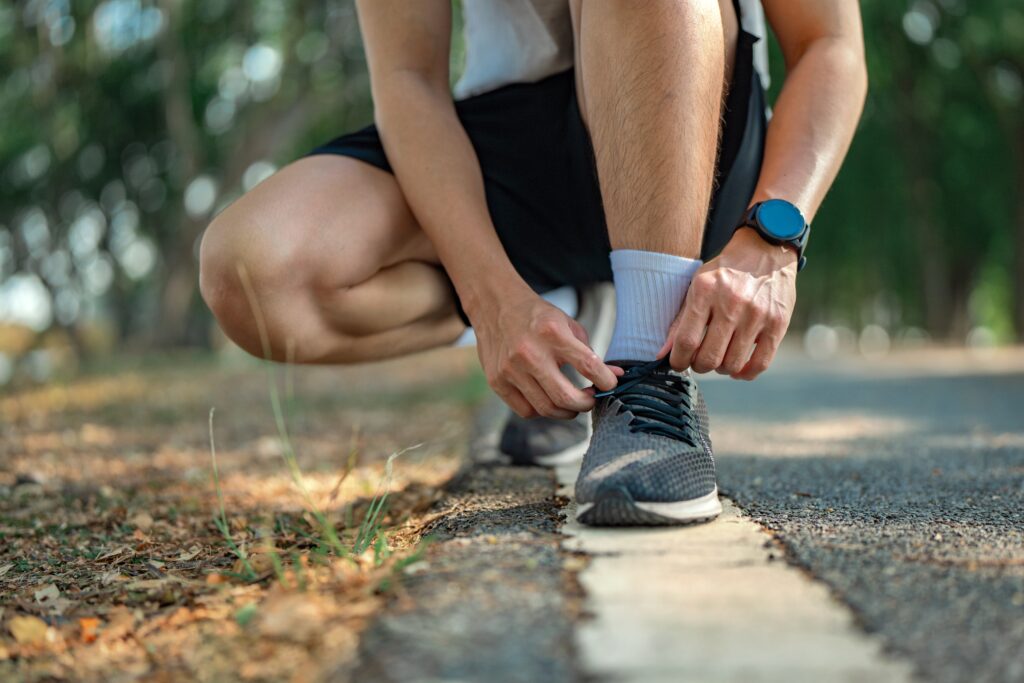
Exercise is not just something you should do regularly to stay fit; it is something that has many benefits for those who are recovering from addiction. Physical activity has been shown as a potential treatment that offers great success for those who are not only in a treatment program but who have finished a treatment program and need to sustain their sobriety. What are the Key Benefits of Exercise in Addiction Recovery? Many scientific studies have examined the use of exercise as a way to help people in recovery. Dopaminergic Transmission When an individual becomes addicted to drugs or alcohol, their dopamine responses are compromised by those substances. This means it’s harder to get a positive dopamine response from other activities. However, some research has found that when exercise is used immediately after detox, it can help facilitate what is called a dopaminergic transmission, meaning exercise can help restore your dopamine signals and reverse the changes in your neural reward pathway that drugs and alcohol brought about. Reduced Risk of Relapse On a related note, many people risk a relapse after treatment because of things like cravings. The longer an individual is able to remain abstinent, the more likely they are to continue applying things like coping mechanisms and relapse prevention strategies. A systematic literature review found that people who exercised while receiving treatment at an inpatient clinic and those who participated in regular exercise while attending an outpatient program had a significant change in things like: This means that regular exercise not only during an inpatient or outpatient treatment plan but also after can go a long way toward reducing your risk of relapse. Mood Improvement Regular exercise is known for its ability to change your mood. Exercise triggers the release of endorphins, and these naturally combat depression or anxiety. Research indicates that a significant number of people in recovery also experience depression and anxiety. This can be in the form of a co-occurring disorder where an individual has both conditions, but in most cases, it is simply symptoms of depression or anxiety brought about by the significant change that is getting sober. Exercise can help manage the difficult emotions and problems with mood by changing the dopamine responses as mentioned, and also by naturally elevating your mood through endorphins. Cognitive Improvement Your brain is responsible for handling all of your cognitive functions, including reasoning, learning, and memory. Addiction can disrupt these cognitive areas, leading to problems with all of them: difficulty focusing or retaining information, problems storing memory, and issues with impulse control or attention. Exercise actually improves your cognition by increasing blood flow to things like the hippocampus and reducing inflammation that could result from addiction. Regular exercise increases the release of endorphins, which work to minimize cortisol levels or stress hormones and promote good communication in the brain. Both of these factors help you to learn more throughout your life, improve your brain cell development, and improve your memory and your thinking skills. Exercise Therapy with The Differents At The Differents, we pride ourselves on doing things differently. Nestled in the Sierra Nevada mountain range, our treatment center is just minutes from Lake Tahoe, something that we heavily incorporate into our innovative approach to finding purpose beyond addiction. Clients have the opportunity to exercise regularly from the minute their programs start, no matter the season. We know that nature can heal, so we combine nature with your individual and group therapy sessions through activities like: The winter adventures at our luxury drug rehab center give you access to scenic snowshoeing trails at Heavenly Mountain or a chance to experience sledding and ice skating at Northstar. We provide activities that are full of exercise, no matter your skill level. We take advantage of Wild Mustang Adventures and offer indoor activities where you can practice on our NBA regulation basketball court or our state-of-the-art two-lane bowling alley. Our goal is to provide ample indoor and outdoor opportunities throughout the year to reap the key benefits of exercise in addiction recovery. With each of these activities, you have the opportunity to reap the key benefits of exercise in addiction recovery, restore your connection to nature and your inner self, rediscover your purpose, and connect with other people. Among the therapies we offer is Equine Therapy where you can focus on building trust and communication by connecting with horses and going horseback riding as another way to reap the key benefits of exercise in addiction recovery.
How to Write an Intervention Letter

If you have someone with whom you are close, a friend or family, and they are struggling with addiction, you might be asked to join an intervention, or you might be in charge of an intervention. An intervention is an opportunity for friends and family to come together and discuss the ways in which addiction has impacted them in their relationships to the individual and urge the individual to get help. During an intervention, participants go around the room reading a letter they have written to the individual. How to Write an Intervention Letter If you have been asked to write such a letter, it can be difficult to know where to start. The most important thing is to understand that there is no right or wrong way to write an intervention letter. But, before you start the writing process, take some time to put yourself in the shoes of your loved one, and consider things from their perspective. Remember, too, that what you write can be more of a guide; it doesn’t have to be something that you read word for word. Tip #1 Be compassionate when you start your letter. The beginning is when you are first speaking to your loved one and you need to catch their attention in a way that supports them. They may find the intervention of putting, feeling as though they are being attacked, so starting with compassion can help remind them of the relationship you have and how they have been there for you before addiction. For example: Mom, I know that you have always loved me. You were there for me at every school play and every softball game. If it weren’t for you, I wouldn’t be the hard worker that I am today. You always taught me that I need to rely on others in order to get a job done well and that while I certainly can do things alone, I don’t have to. You gave me the confidence I needed to find a career that I loved and to work with my coworkers the same way I would members of my softball team or other people in a play. Tip #2 Be clear about the impact that their substance abuse has had on you with at least one specific example. Use tangible details, but avoid any words or phrases that might make your loved one feel as though they need to defend themselves or they are under attack. For example: Mom, for the last few years, it has been really hard to talk to you. I feel like I can’t connect to the woman who raised me. When I call to check in, you are intoxicated. On the phone, you are slurring your speech, you’re not really paying attention to what we’re talking about, and you don’t even remember that I called you at the same time last week. Sometimes, you are so drunk you don’t really know who you are talking to. Tip #3 Reinforce that you are coming at this from a place of compassion by taking time to explain to your loved one that you have put yourself in their shoes and that you understand, at least to some degree, a bit more about addiction. For example: I took a lot of online classes from doctors and psychiatrists so that I could try and understand why you were doing the things you were doing and whether or not I could have my mom back. I realized that dependence and addiction are actually a disease, and it has nothing to do with your ability to just quit whenever you want. It is something that requires professional medical treatment. Tip #4: End your statement reinforcing your love for that person, explaining what types of services you want them to receive and why, and reinforcing that you are here to support them. Tip #5 When you are done writing your draft, have someone else look it over. While you might not think that certain words or phrases come across as particularly aggressive or confrontational, another set of eyes can help you find ways to soften what it is you are trying to say without detracting from the impact. Getting Help with Interventions If you need help with an intervention, specifically finding a luxury addiction treatment center for your loved one, The Differents can help. We offer services like: A big part of our focus is having a 1:3 staff-to-client ratio. Why? We want to make sure each client gets the personalized focus and care they deserve, something that is best achieved with lower ratios. Our staff have personal experiences with addiction treatment, so they understand things that others might not. When you recommend our services as part of your intervention letter or help a loved one start care with us, you will notice the difference right away. That’s why we are “the differents” with our holistic treatment, outdoor therapy, IV infusions, motivational interviewing, MeRT/TMS, and energy work. Reach out today at (844) 407-0461 to learn more about writing an intervention letter and finding personalized addiction treatment.
Is Fentanyl More Addictive Than Heroin?
If you or someone close to you is struggling with an addiction to fentanyl, it’s important that you recognize the need to get help. Fentanyl is significantly more potent and addictive than other substances, including natural opioids like morphine and heroin. The right level of care will include comprehensive treatment and supportive detox programs to get you started on the right track. What is Fentanyl? Fentanyl is a synthetic opioid, one which functions similarly to morphine or heroin, which are naturally derived opioids but which are significantly more addictive. Fentanyl and other synthetic opioids are now the most commonly associated drugs in all drug overdose deaths in America. Fentanyl is a prescription drug that can be used as a pain medication, particularly after surgery or with chronic pain. In prescription form, it goes under names like: As a prescription, fentanyl can be provided in the form of cough drops, patches that you put on the skin, or a shot. When used illegally, fentanyl is often sold as a powder, placed into nasal sprays or eye droppers, and mixed with other drugs like methamphetamine and heroin. However, whether it is prescribed or used illegally, fentanyl is highly addictive. Is fentanyl more addictive than heroin? Has that increased the overdose rates? How Fentanyl Works Fentanyl works the same way as other opioids, binding to the opioid receptors in your brain. These receptors are responsible for controlling your pain perceptions and your emotions. As you take opioids, your brain begins to diminish the sensitivity, which makes it harder to find any type of pleasure or positive emotion from other activities, which encourages the cycle of addiction when fentanyl becomes one of the only sources for limited pain and improved euphoria. Fentanyl can cause things like extreme happiness, but it can also lead to side effects such as nausea, constipation, sedation, drowsiness, and problems breathing. This means there is a higher risk of life-threatening overdose when breathing slows down or stops entirely, something called hypoxia. Hypoxia can cause a coma, permanent brain damage, or death. Is Fentanyl More Addictive than Heroin? Yes, according to the DEA, fentanyl is 100 times more potent than heroin, which means it is also more addictive than heroin. Those who use fentanyl either from a prescription or illegally will quickly develop a tolerance, leading to the need for a higher or more frequent dosing in order to get the same effects. This is especially true if used illegally when fentanyl is more likely to be combined with other highly potent natural opioids like heroin or other drugs like methamphetamine and cocaine. This makes it a cheaper option with higher risks, and if you don’t know how much fentanyl is in the substance you are consuming, it can lead to an overdose and death. Fentanyl Overdoses Overdoses can occur whether you are taking fentanyl via a prescription or illegally. In 2022, there were nearly 74,000 overdose deaths related specifically to fentanyl. Given the high rate of illicit fentanyl abuse, particularly when combined with other medications, in addition to overdoses, there are hundreds of thousands of hospitalizations every year related to overdoses that do not result in fatalities as well as other injuries and illnesses as a result of drug abuse. Getting Treatment for Fentanyl At The Differents, our drug detox center provides comprehensive, luxury treatment for those in need. For a fentanyl addiction, we start with detox. As fentanyl is a synthetic opioid and has such a high potency, the most recommended course of action for your detox is to undergo what is called medication-assisted treatment (MAT). Medication-assisted treatment means you are given FDA-approved prescription medications during your detox to help control the withdrawal symptoms, as well as medications during the rest of your treatment to help reduce cravings. This makes it more likely that you will succeed with your long-term recovery by getting you through the most challenging parts of a fentanyl addiction. Participation in this type of program also requires ongoing therapy, something that you can continue at our treatment center with several levels of care. We provide our clients with the opportunity to move through different levels of care as needed, moving down through flexible outpatient programs like IOP or PHP. Contact our team today for help.
Using Acupuncture For Bipolar Depression
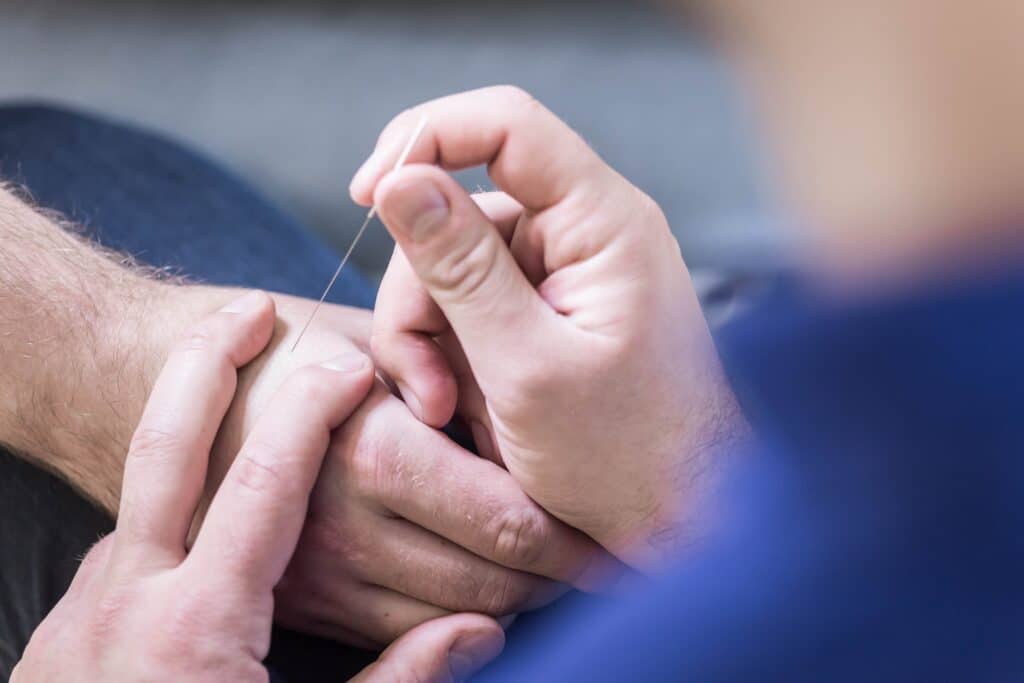
Today, there is a great deal of research focusing on alternative or holistic forms of care that can be used as an adjunct or supplemental form of treatment. This research delves into the use of things like acupuncture, meditation, and yoga as a way to handle symptoms of mental health disorders such as major depressive disorder or bipolar disorder. So, is acupuncture for bipolar depression effective? What is Bipolar Depression? Bipolar disorder can present with severe depressive episodes, and for many people, those episodes are treated with medication. However, medication alone is often inadequate for coping with the variety of symptoms that manifest with chronic bipolar depression. The symptoms associated with bipolar depression are the same as those associated with major depressive disorder. At present, there is no cure, and some people might experience depressive episodes exclusively, while others might experience a combination of depressive and hypomanic or manic episodes. No matter the combination, these episodes can present with symptoms severe enough to disrupt daily life and cause significant problems in important areas of functioning like work or school. This is particularly problematic for people who have developed a resistance to current medications. Acupuncture for Bipolar Depression: Studies There are several studies investigating the applicability of acupuncture for bipolar depression. One such study found that individuals who participated in an acupuncture intervention saw decreased depression scores and improvements in physical symptoms with no negative interactions with prescribed medication. In these situations, no changes were made to prescribed medication, but acupuncture led to improved quality of life and symptom management. Other randomized trials reviewed the efficacy of adjunctive acupuncture for bipolar depression over the span of 12 weeks. Symptoms found that all patients had improvement over the span of the study with very few negative side effects and no negative interactions with any other medication or treatment. These studies confirmed the safety and acceptability of acupuncture as a way to manage acute symptoms of bipolar depression. Literature reviews assessed the efficacy of acupuncture for depression, finding that it was generally safe and well tolerated, acceptable as an augmented part of treatment for depression symptoms. While this particular literature review did not focus solely on bipolar depression, symptoms of bipolar depressive episodes and depression are the same. In fact, other studies reviewed the efficacy of acupuncture for mood disorders, including major depressive disorder and bipolar disorder with depression, paying close attention to those who had treatment-resistant forms of both. The longitudinal study performed weekly acupuncture treatments for 12 weeks in addition to regular treatment. Findings revealed that physical symptoms improved for things like: Other improvements included: While acupuncture did not necessarily improve all psychiatric symptoms of bipolar depression, it was efficacious enough to alleviate some of the majority of symptoms experienced by patients. This has a great deal of promise for individuals with treatment-resistant forms of bipolar depression who are looking for holistic ways to manage a few, if not a majority, of their symptoms. Starting Acupuncture for Bipolar Depression There are many forms of treatment out there for bipolar depression episodes. At The Differents, we specialize in flexible outpatient programs that allow clients to see the benefits of their treatment in real time, returning home each night to apply the techniques and tools learned during the day. We offer a wide range of evidence-based practices including: With our acupuncture and chiropractic practices, clients who struggle with bipolar depression can find alternative holistic therapies at our luxury drug rehab facility. We work hard to reimagine the rehab process so that individuals with co-occurring mental health and substance abuse disorders can find a holistic program that is most supportive, one that cultivates creativity, and feels as though they are working with staff who not only understand and genuinely care about your recovery. Studies have found that holistic alternatives can prove useful in treating mental health conditions. One of those is acupuncture for bipolar depression. If you want to explore alternative options that can be used in conjunction with individual and group therapy, we are here. Contact The Differents today at (844) 407-0461 to see how our facility can help you.
Are Gateway Drugs Real?
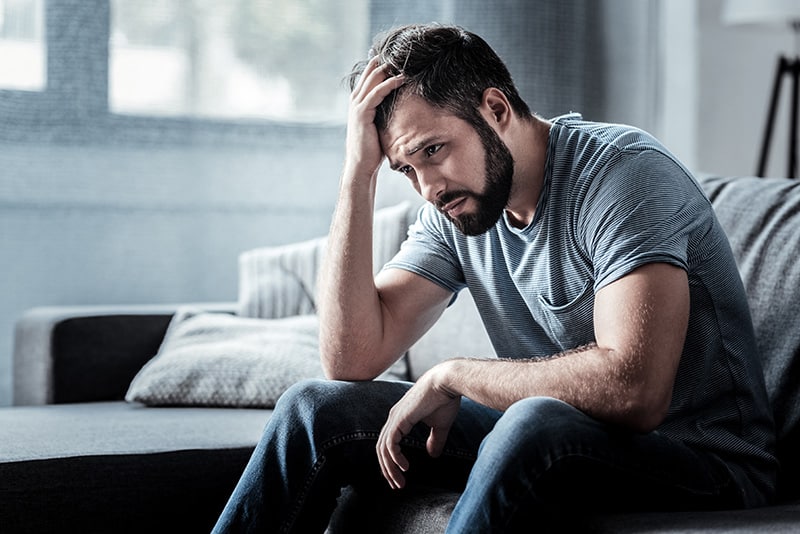
Many people have heard of gateway drugs and seen government-sponsored advertisements on television throughout the years that have spoken of the influence that a single drug can lead to a lifetime of abuse. But are gateway drugs real? What Are Gateway Drugs? “Gateway drugs” is a term applied to any type of drug that acts as a stepping stone to later using other drugs. In this context, that means any type of drug that leads to another drug. Theoretically, this means that trying one type of substance or drug could lead you to trying another and another, and eventually working your way to drugs that are the most highly addictive and potentially damaging. Are Gateway Drugs Real? Yes, gateway drugs are real. However, it’s important to take into consideration aspects like: For example, marijuana is not necessarily a gateway drug, even if it is portrayed that way, as it does not change the way the brain functions the same way that other drugs do. In order for a drug to be considered a gateway drug, it has to have a profound enough change in the brain size, structure, and function that leads to issues with impulse control and addiction. Certain drugs can change the sizes of parts of the brain like the prefrontal cortex and the amygdala. The prefrontal cortex is a part of the brain responsible for impulse control and good decision-making. Under normal circumstances, this part of the brain is physically balanced with the amygdala, meaning that they are around the same size so they can balance each other out. But with gateway drugs, changes are made such that the amygdala gets bigger and the prefrontal cortex physically shrinks. When this area of the brain gets physically smaller, it can’t work as hard as bigger areas like the amygdala. The amygdala is responsible for impulsivity, and it can lead to poor decision-making, such as choosing a more addictive substance like heroin when you are out of your prescription opioids. There is another way that gateway drugs can affect you: using a drug that may have been mixed with another. The more often you use illegal drugs, the less control you have over the purity of the drug, and this can result in unexpectedly or unintentionally consuming more addictive drugs. One of the biggest gateway drugs in America is opioids. Opioids are often prescribed for chronic pain or pain management after surgery, but a person may develop a dependence on their opioid medication, leading to the development of an addiction. Over time, that addiction can mean that someone who originally started with a low dose of a prescription opioid might turn to higher doses from other prescriptions and eventually toward illegal opioids like fentanyl and heroin. Getting Treatment for Addiction Evidence indicates that some drugs do act as a gateway, particularly things like prescription opioids. If you find yourself addicted to substances like alcohol or opioids, you might need medication-assisted treatment. Medication-assisted treatment, or MAT, can help reduce cravings and lessen withdrawal symptoms. MAT with The Differents At The Differents, our team specializes in a wide range of services and addiction treatment programs. One of our treatment services is MAT. As a qualifying facility, our team will work with you to devise a unique treatment plan that incorporates initial detox and subsequent therapy. Starting with detox, we will provide FDA-approved medications that help to reduce the severity of your withdrawal symptoms. Over-the-counter medications are also used to help keep you as comfortable as possible during this process. Our team will make sure that your vitals are monitored and any changes or potential complications are treated accordingly. After you get through detox, we will help you transition to your next steps with reimagined treatment programs. Our goal is to incorporate evidence-based practice alongside holistic care to give you a complete mind-body approach to your treatment. A big part of this is recognizing the factors that may have contributed to starting with gateway drugs and the steps that led from one drug to another. Understanding this process can help you reflect on what changes you might want to make in your lifestyle moving forward. Overall, gateway drugs can be real, and abusing one substance may often lead to abusing additional substances, which increases your risk of addiction and further complications. However, with the right type of treatment, you can get help for addiction today and start living a happier, healthier life. Contact our team to learn more about our programs.
What Are the Signs of Drug Addiction?

If you or someone you love is struggling with mood swings, money problems, irritability, and similar symptoms, you might wonder if these changes represent symptoms of addiction. Some of the common symptoms of drug addiction are physical symptoms–which happen while under the influence or during withdrawal–and these can include shaking, chills, muscle pain, or cramps. But many of the symptoms that a family member or close friend might notice extend to behavioral issues such as severe mood swings, paranoia, sudden lying or stealing, or experiencing legal issues because of drug use. An individual struggling with addiction might notice that in addition to their mood swings and changes in behavior, they keep forgetting to do important things like go to work or pick up their kids from school because they are focused exclusively on drug use. Thankfully, no matter what, there are ways you can get help with The Differents, an addiction treatment center in Nevada. Physical Symptoms of Addiction Physical symptoms of addiction have the widest range and depend on the substances being used. For example, someone might experience: Behavioral Signs of Drug Addiction The symptoms of addiction might vary from one substance to the next in physical manifestations, but there are similar behavioral signs. Mood Swings Mood swings and irritability without cause happen often. Someone you know might be an otherwise even-keeled person, but soon, they start to show signs of drug addiction like rapid mood shifts, being particularly irritable for no reason, or snapping at small things that don’t matter. Lack of Responsibility Another common feature of drug addiction is a lack of responsibility. Individuals might forget to do important things for work or personal life because they are preoccupied with obtaining, using, or recovering from drugs. This can include being late to work regularly or even skipping work without calling in or having an explanation. Paranoia Some substances lead to extreme paranoia. This can manifest similarly to mood swings, and someone with an addiction might make accusations of people taking things from them, conspiring against them, or trying to harm them. In other cases, individuals might demonstrate paranoia about their environment, checking windows continually, keeping doors locked and curtains shut, and always hesitating when someone comes to the door. Lying or Hiding It is not uncommon for someone dealing with addiction to start lying or hiding information about where they were or how they got money. This lying can happen when someone tries to mask their addiction, and it might not always make sense or be believable. Other Symptoms of Addiction Other signs of drug addiction are interrelated, such as financial problems, bad habits, lying, or stealing. Financial Strain It is not uncommon for people struggling with addiction to start to experience financial strain. That strain can come in many forms, such as: Legal Issues This financial strain can be exacerbated by legal issues like: These legal issues come with fines as well as potential jail time, probation, or court-ordered classes and volunteering. Many of the most significant symptoms of addiction revolve around the development of tolerance. An individual might start taking more and more of a particular substance in order to achieve the same effect. Moreover, that same person might try to stop or reduce their drug use and find that no matter what they do, they can’t seem to quit. It’s not uncommon for individuals to reach a point where they truly want to quit, and yet, despite understanding all of the negative consequences addiction has, they are unable to. Getting Help with Symptoms of Addiction Once you notice signs of addiction in yourself or a loved one, it is important to reach out for help. The Differents offers clients several levels of care, including PHP, IOP, and programs specific to groups like first responders. Our Reno substance abuse treatment programs are intended to help those in need with a remote, exclusive location nestled in the Sierra Nevada Mountains, just minutes from Lake Tahoe. The serene backdrop makes it easy for clients to step away from their daily stress and focus on turning attention inward and rebuilding what addiction may have broken. Overall, the symptoms of addiction can look different from one substance to the next but revolve around physical symptoms, behavioral symptoms, and other symptoms. Learning to recognize them can help you decide when it is time to get help.Call The Differents today to learn more about common signs of addiction and how our trusted drug rehab in Reno can help.
Recovery During the Holidays: Navigating Triggers and Staying Sober

Recovery during the holidays can be challenging. Whether this is your first holiday season staying sober or your seventieth, the stress that comes from holiday events, traditions, family get-togethers, family fights, expectations, financial pressure, and more can make it difficult to avoid triggers, let alone stay sober. How to Maintain Recovery During the Holidays During the holiday season, take time to check in with yourself, especially if this is the first holiday where you are trying to remain sober. It’s easy to feel angry, overwhelmed, or anxious, which are perfectly normal feelings. However, if you don’t take time to assess how you are feeling and what you can do to manage those emotions, those normal feelings might lead to a relapse. That’s why it’s important to have strategies for navigating triggers and maintaining sobriety during the holidays. Be Open and Honest Be open and honest about your recovery. The holiday season is particularly stressful for many people because of how big a role alcohol or drug use might play in events or parties. It’s important to be open and honest about your journey in recovery so that other people understand and respect your wishes. Don’t let someone pressure you with the old adage that “one drink won’t hurt.” Instead, avoid stressful or potentially vulnerable situations, and for other events, consider bringing non-alcoholic beverages. You might be surprised at how many other people, for whatever reason, are also staying sober and might appreciate an opportunity to still socialize with a tasty beverage that won’t get them into trouble. Self-Care Sobriety during the holidays is best done when you have an established self-care routine. Techniques that you may have learned from therapy or support groups can be particularly useful when practiced all year round, but they can be especially important when you face extra stress and triggers during the holiday season. Maintaining sobriety during the holidays is a lot easier if you plan ahead. By planning ahead, you can: Get Support Get support. Help can come in so many forms, like a sponsor, a friend, or someone who sympathizes with what you are going through. You might need to schedule extra support group meetings or group therapy sessions so that you are in a good place and have the skills to maintain your emotional bandwidth at parties or events. You might even consider getting professional support from The Differents, where you can participate in our Reno intensive outpatient programs or partial hospitalization programs right before the stress of the holiday season begins to build. Change Your Focus Maintaining recovery during the holidays might mean changing your focus. While you will likely expend a lot of energy checking in with yourself and how you are feeling, you can also go back to some of the basic tenets of SMART and 12-step programs, which is to give back and see how you can serve others. When you change your focus, you can get a much bigger picture of what’s happening in the world and gain some perspective about your issues with recovery. It can also offer an opportunity to deepen your connection with others and focus on the things that matter most during an otherwise complicated holiday season. Overall, what matters most is that you know your limits and that you know when and how to reach out to others if you are in need. There’s really no way to avoid all triggers during the holiday season, but what you can do is apply techniques and tools to navigate those triggers and cope with the stress instead of letting it encourage a relapse. Let The Differents lend a helping hand if you are struggling with your recovery this holiday season. Contact our trusted drug rehab in Reno today.
Overcoming Guilt and Shame in Addiction Recovery
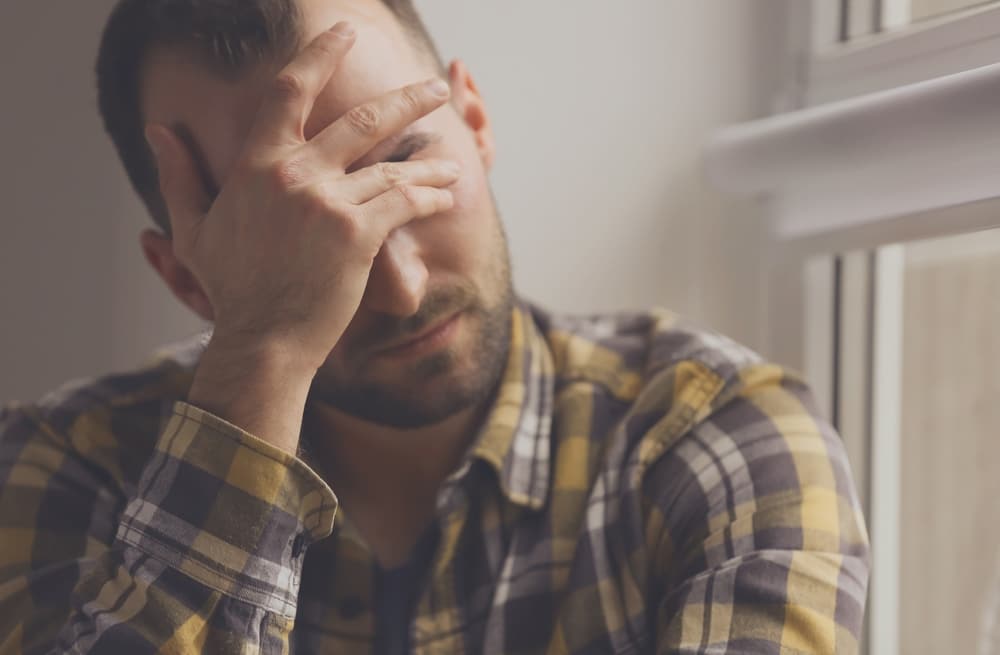
Guilt and shame go hand in hand with addiction and recovery. Addiction affects the individuals with an addiction and those around them. Given this reach, clients who want to get help may have many sources of guilt and shame that they may want to overcome during addiction recovery. Read on to see how our addiction treatment center in Nevada can help. Shame in Addiction Recovery Shame in addiction recovery looks different for everyone. Consider these two different examples of individuals facing guilt and shame. Martin Let’s consider Martin. Martin traveled overseas for several years when he was young. After returning to the U.S., Martin was addicted to nicotine but was still too young to legally buy cigarettes. During several of his lowest points, Martin would pick up used cigarette butts from the ground and smoke what was left on them. He felt so ashamed and never told anyone about this for fear of being judged. He carried this shame and guilt with him as he turned to other substances he could more easily get in his neighborhood from dealers, and it colored his perspective of his value and worth. Carey Carey had a complicated history of drug abuse. She started with marijuana when she was a teenager, but after entering an abusive relationship, she began to use cocaine and other stimulants when she wanted to stay awake in order to ensure she was safe. This abusive relationship often made her fear for her life and that of her family. Carey found herself facing legal trouble over possession and went to outpatient drug rehab programs several times. She never finished these programs, though, and she relapsed often. Carey knew that her addiction was hurting the family who loved her, like her parents. At times, she moved back in with them but would sneak out at night to get high and wake up later, not realizing she had scared her parents by not being home, leaving their house a mess, or screaming at them. Carey felt deep shame and guilt over how she affected her family but could never express it to anyone, not even them. She didn’t bother to apologize, believing her family thought the worst of her and that it wouldn’t matter. Getting Help Overcoming Shame in Addiction Recovery with The Differents At our Reno substance abuse treatment center, we offer several avenues to overcoming guilt in addiction, such as: Mindfulness and Meditation Mindfulness and meditation are viable tools for dealing with guilt during recovery because they help you better identify your emotional state at any given time by learning to sit with your feelings, acknowledge them, and accept them without judgment. CBT and DBT Psychotherapies like CBT and DBT can help you reflect on what situations or circumstances in your past may have contributed to current feelings of guilt or shame. In some cases, these feelings are because of negative automatic thoughts that continue to color your perceptions and self-image. Through individual and group therapy sessions, you can learn to replace these negative automatic thoughts with positive ones and change how you view yourself and your struggles with addiction. Family Therapy At our facility, our family therapy sessions involve your closest family members and provide a safe space to rebuild your relationships through open communication and healing. Family therapy provides a place to better understand the way addiction works, the influence it has on those around you, and ways to develop healthy coping strategies as a family. This can often involve overcoming guilt for the ways you may have hurt those closest to you or how they have hurt you through things like lack of support or not encouraging your recovery. Educational Resources A big part of guilt during the recovery journey comes from not understanding how addiction works. That is why we provide educational resources for individuals and families that help everyone better understand the process of addiction and recovery. These resources can help you and your loved ones set healthy boundaries and help you learn how to care for yourself. Our resources provide actionable information on overcoming shame in addiction recovery. Support Groups Shame in addiction recovery is often the result of feeling as though you are the only person who has gone through your experiences, damaged relationships or opportunities because of addiction, or made decisions that you weren’t proud of. But this couldn’t be further from the truth. We facilitate support groups for individuals and their families that provide an environment where everyone can share their experiences, gain insights from other participants, and receive professional guidance. The Differents Can Help These programs can shed light on how you and other people struggling with addiction are beholden to neurological changes brought about by drug and alcohol use, helping you recognize that you are not defined by those changes or by the mistakes you’ve made, and you can work towards overcoming any lingering guilt and shame during recovery.Contact our trusted drug rehab in Reno today to learn how you can deal with guilt in recovery with The Differents.
The Role of Forgiveness in Addiction Recovery

Addiction is a chronic condition, the effects of which can spread from the person with an addiction to their loved ones. If you or someone close to you is struggling with addiction, you can increase the chances of recovery by offering and accepting forgiveness. Why Forgiveness Matters If you don’t forgive yourself, you are more likely to harbor negative thoughts about yourself and have low self-esteem, which can lead to relapse. If you truly believe that you are a bad person or you’re incapable of change, it’s more likely that you will see every setback as confirmation of the incorrect belief and let it stop your progress. If you have a family member who has struggled with addiction, you need to forgive them so that you can repair the relationship and support them in their recovery. Individuals are more likely to complete drug and alcohol rehab programs and maintain sobriety long-term if they have support and involvement from their family or close friends. Forgiveness in Addiction Recovery: Forgiveness of the Self and Others When you seek professional help for addiction, many of the therapeutic opportunities you have provide a chance for deep reflection and getting to know yourself. During these sessions, you’ll have a chance to review what aspects of your life may have contributed to addiction, how your addiction may have hurt those around you, and what negative automatic thoughts you have about yourself. Forgiving Yourself Negative automatic thoughts like guilt and shame can come from knowing that you have stumbled along your path and chosen things that have hurt yourself or others. It’s not uncommon to let these feelings define who you are when struggling with addiction, but it shouldn’t be that way. With addiction, your full recovery comes when you learn to forgive yourself for the mistakes you’ve made. By forgiving yourself, you can learn to build your self-esteem and recognize your true potential. Therapies like cognitive behavioral therapy can include sessions where you identify negative automatic thoughts stemming from low self-esteem and feelings of resentment or shame about yourself. You can learn strategies for changing these automatic thoughts to positive versions and forgiving yourself. Everyone makes mistakes, and everyone has failures, but they’re only bad if you can’t learn from them, and you can’t learn from them if you don’t learn to forgive yourself. Forgiving Others If you have a loved one who has struggled with addiction, you also play an important role in recovery. Addiction and forgiveness are concepts that have to apply to everyone who is touched by the chronic condition. If your spouse, parent, sibling, child, or even close friend has struggled with addiction and is in recovery, you’ll need to be aware of how important it is for you to offer them forgiveness for mistakes they have made. This might take place in family therapy sessions or support group sessions. It’s not uncommon for addiction to cause a great deal of mistrust, damage relationships, hinder communication, and make every party involved feel as though they are stuck and can’t move forward or rebuild their bonds. But forgiveness in addiction recovery helps rebuild these broken aspects of relationships. Addiction and Forgiveness with The Differents In each of our programs at our Nevada addiction treatment center, clients benefit from several therapies, including forgiveness in addiction recovery. With our Reno partial hospitalization program, intensive outpatient program, and withdrawal management programs, clients can enjoy holistic treatment, including: Each of these holistic treatments is there to enhance forgiveness in addiction recovery by encouraging self-awareness–so that you might know better what you need from those around you–and reflections on what has led to addiction–so that you might ask forgiveness of those who were affected by it. Forgiveness plays an essential role in moving forward in recovery. Without it, you will find yourself tripping emotionally and mentally over barriers on your path that won’t be resolved until forgiveness is given. At The Differents, we know that addiction and forgiveness go hand in hand, so we work hard to ensure you can achieve it during your time with us. Contact us today to learn more about forgiveness in addiction recovery and how our holistic care can put you on the right path.
Is Luxury Rehab Worth the Investment?

The word “luxury” is frequently used by drug and alcohol rehab centers, but what does it actually mean? And how do you filter out facilities that are luxury in name only? What is luxury rehab? The defining characteristics of a luxury rehab are: Comfort: your treatment will be in a modern plush facility. You should expect, and demand, a private single en-suite bedroom with a private bathroom. High-end rehabs that offer detox programs should also have a physician experienced with detox who can prescribe so-called comfort medication to ease any withdrawal symptoms during your first days in treatment. Privacy & Confidentiality: luxury rehabs are the preferred choice for executive professionals, athletes, celebrities and others who are in the public eye. These facilities are used to catering to clients to whom privacy is important. Additionally, these clients appreciate that they will have a peer-group of other clients similar to themselves with relatable life experiences. Experienced Staff: staff turnover can be quite high in the recovery industry, particularly in lower-end facilities where staffing levels are low and burnout is high. The senior clinical staff at a luxury rehab will consist of Therapists, Nurses and Directors with many years of experience at a small number of treatment centers. Is luxury rehab worth it? For the price of luxury rehab you receive a higher level of care, more comfortable surroundings and accommodations, experienced staff and plenty of additional amenities. However, this is only part of the benefit. The most important value of a luxury rehab is that the client is more likely to complete the course of treatment. How long is the average rehab stay? A typical stay at a rehab facility is at least 30 days. However, according to data published by the Substance Abuse and Mental Health Services Administration (SAMHSA), only 42% of individuals who enter treatment for drug and alcohol abuse complete it. This is a sobering statistic, but not a terribly surprising one. The process of getting sober takes considerable effort, and without comfortable surroundings it can feel overwhelming, leading many to abandon their recovery program. The majority of addiction treatment centers are “institutional” in nature – similar to a hospital, frequently with 2-4 beds to a room. A luxury rehab, by comparison, should feel more like a vacation home or even a spa retreat. If you want the best chances for you or a loved one to achieve and maintain sobriety, the truth is it’s easier in a luxurious environment. Some rehabs are luxury in name only While many rehabs brand themselves as high-end, you should investigate to make sure they are capable of delivering what they promise. Here are some potential red flags to look out for: he pictures on the website show the same one or two rooms from multiple angles (because they only decorated the living room) Lots of exterior pictures showing the yard, maybe a pool, but no pictures of the bedrooms No video walk-through tour of the facility. This is critical to get a true sense of the size and comfort of the rehab. No bios or pictures of the staff (because they probably turn over too frequently) Pictures of horses. Seriously. Many “luxury” rehabs do offer equine therapy, but it’s typically not on-site and most equine therapy centers do not allow you to ride the horses. Don’t expect to see horses during your stay. (We’re working on our stables now, but no pictures until it’s real.) Extra Amenities and Experiences Luxury rehab facilities often take a holistic approach to addiction treatment, addressing the physical, emotional, and spiritual aspects of recovery. This means that in addition to traditional therapy and medical care, you may have access to alternative treatments like acupuncture, massage, and nutritional counseling. These services can help you heal your body and mind, reduce stress and anxiety, and improve your overall well-being. By taking a holistic approach to recovery, luxury rehab facilities can help you achieve lasting sobriety and a healthier, happier life. At The Differents we also emphasize creative activities for self-expression and emotional healing as well as entertainment throughout the property. We have a full-size indoor basketball court with parquet floors, a bowling alley, gymnasium, putting green and more. The value of this is beyond recreation. Socializing with peers and making lifelong friends is a part of the rehab experience, and having fun social activities fosters the therapeutic benefits that come from these relationships. Long-Term Support and Aftercare Another major benefit of investing in luxury drug rehab is the long-term support and aftercare that is often provided. A luxury rehab should offer ongoing support and resources to help you maintain your sobriety and prevent relapse. This may include regular check-ins with a therapist or counselor, access to support groups, and continued access to alternative therapies like yoga or meditation. By providing ongoing support, luxury rehab facilities can help you build a strong foundation for lasting recovery.
A Rehab Renaissance

Addiction is a complex problem, and approaches to rehab have evolved considerably in recent years. At The Differents, we offer integrated care and innovative approaches with emerging technologies to help individuals find meaningful life beyond addiction. If you or a loved one is struggling with addiction, you might feel lost as to what to do. We want you to know there is hope, and there are solutions. However, there are several approaches to drug and alcohol rehab that are no longer considered effective. We want to identify some of these outdated approaches first, then share how we offer a new kind of rehab that leads to more successful outcomes. Outdated approach #1: Cold turkey detox This involves abruptly stopping drug or alcohol use without any medical assistance or support. This approach can be dangerous and ineffective, as withdrawal symptoms can be severe and even life-threatening. Outdated approach #2: Confrontational interventions Interventions were once thought to be lifesaving actions, and, even if you have never participated in one, you have probably seen them depicted in movies or TV. This approach involves confronting the individual about their addiction, often with family members and friends sharing how hurt they have been in the process. However, this approach is no longer recommended as it can often lead to feelings of anger and defensiveness in the person at the center of the intervention, which can make it harder for that individual to want to get help. There’s also a sort of catch-22 with interventions. They only work if an individual desires to get sober, but if they desire to get sober then they don’t need the intervention. Outdated approach #3: Boot camp-style programs These programs involve strict and often harsh discipline and punishment for drug and alcohol use. While they may work for some people, they can also be traumatizing and have negative long-term effects on mental health and self-esteem, especially in teenagers and young adults. Addiction is punishment enough, and those suffering from it don’t need additional pain. Outdated approach #4: One-size-fits-all treatment plans Treatment plans that do not take into account an individual’s unique needs and circumstances are often not effective. Everyone’s journey to recovery is different, and treatment plans must be tailored to meet the specific needs of each person. Because of this, it’s necessary to truly get to know the person struggling with addiction so that an effective treatment plan can be designed. Outdated approach #5: Outpatient-only treatment While outpatient treatment can be effective for some individuals, it may not be enough for those with more severe addictions. In this case, inpatient or residential treatment may be necessary for people with more complex or severe addiction issues. What Makes Us Different We have created a recovery habitat where people are treated like people. Our holistic approach takes into account the internal and external causes of addiction, with treatment plans that are customized to each individual. Here are some of the key features of our approach: Withdrawal Management, Not Cold Turkey As opposed to the cold turkey method, we offer a concierge detox program that helps manage withdrawal symptoms in a safe, comfortable environment. There isn’t a cold, sterile detox room on our property, and our clinicians are selective in their use of pharmaceuticals. We do whatever we can to ensure that those in our care are able to rest and get the appropriate pharmacological, nutritional, and relational support. Human Connection, Not Intervention At The Differents, we do not engage in confrontational or boot camp-style “tough love”. Our approach emphasizes the role of human connection because we’re all seeking to feel seen and heard, especially through the difficult times. Shame, guilt, and fear are not effective motivators for change. Addiction, research shows, is not purely a matter of the will. There are a host of contributing factors that lead people to turn to drugs or alcohol. Our approach is to treat the whole person, identifying contributing factors to addiction, including underlying medical issues. We also teach individuals to identify their body’s patterns and sensations because “If you can’t recognize it, you can’t change it.” Personalized Treatment Plans Since there is no one-size-fits all recovery program, we focus on identifying individual needs to create plans that are specially designed for each person. We engage in collaborative healing, involving those in recovery in designing their treatment plans. This is possible because we provide a 1:3 staff:client ratio, so individuals get the personalized care they need. Residential Inpatient Living And because certain individuals need inpatient, residential living to detox and reset their minds, bodies, and souls, we offer luxury, private accommodations surrounded by natural beauty. While staying with us, we help individuals reignite their passion, renew their bodies, and rediscover their purpose. While engaging in our treatment programs, we foster creative and spiritual exploration, helping people find who they really are, even if it’s been buried deep down. This process helps kickstart a new life beyond addiction. Aftercare Our work doesn’t end when a person leaves our treatment center. We also extend our care beyond rehab. We’re there on the other side, helping keep people from falling into old habits, assisting in finding jobs, getting connected, and establishing new rhythms of life. In other words, we help people find lives of purpose and meaning. Because, when it comes to recovery, it’s not about what you’re running from, it’s what you’re running towards.
Finding Meaning in Life

When it comes to recovery, it’s not about what we’re running from—it’s what we’re running towards. We all need to find our “why”; the thing that gets us out of bed in the morning, the thing we’ll fight for, the thing that makes us feel alive. Without a why, there is no hope for sustained recovery from drug and alcohol abuse. Finding meaning in life is a subjective experience. There is no one-size-fits-all answer, so it’s up to each individual to discover their own beliefs, values, and purpose in life. We have to discover this for ourselves. At The Differents, we’re a collection of people who found our true selves after shedding our personas, rewriting the stories of our lives given to us by others, and emerging from addiction with restored dignity and a newfound vision for life. Part of our treatment program is to help people envision life on the other side of rehab—to find their meaning—so they can leave rehab on a journey toward becoming who they were truly meant to be. The Various Forms of Meaning There are many different ways that people find meaning in life. Here are some of the common pursuits that help individuals find a deep sense of satisfaction and purpose. Pursuing passions and interests Many people find meaning in life by engaging in activities that they are passionate about, such as hobbies, sports, or creative pursuits. Whether it’s painting, pickleball, video games—the list is endless—pursuing passion produces a strong sense of “why.” Helping others/Making a difference Contributing to society or making a positive impact in the world can provide a sense of purpose and meaning. Helping others through volunteering, charity work, or simply being kind and supportive can provide a deep sense of purpose and fulfillment. Developing meaningful relationships Building deep and meaningful relationships with family, friends, or romantic partners can give a sense of connection and belonging. And maintaining loving relationships with others is a strong motivator for overcoming addiction. Finding spirituality Spirituality involves the feeling or belief that there is something greater than myself, something more to being human than sensory experience, and that the greater whole of which we are part is cosmic or divine in nature. Exploring your spirituality through meditation, prayer, or other practices can provide a sense of purpose and inner peace that empowers recovery. Accomplishing goals Whether it’s finishing a triathlon, writing a novel, or traveling to a new country, setting and achieving personal and/or professional goals can give a sense of accomplishment and fulfillment that leads to sustained recovery. Strategies for Finding Meaning in Life Ultimately, the key to finding meaning in life is to explore your interests, values, and beliefs, and to find activities and pursuits that align with those important areas. If you’re struggling to find meaning and purpose in your life, here are a few tips that may be helpful: Reflect on your values Take some time to think about what is most important to you. What values do you hold dear? What kind of person do you want to be? Self-awareness is the first step towards a meaningful life. Explore your interests Think about what activities or hobbies bring you joy and fulfillment. You can also try new things and explore new interests to find what resonates with you. Set goals Identify some short- and long-term goals that align with your values and interests. Having specific goals can give you direction and motivation. Find ways to help others Whether it’s at a homeless shelter, church, school, or a personal relationship, taking the step to volunteer or help others in some way can kickstart a sense of purpose and fulfillment. Build meaningful relationships Invest in relationships with people who share your values and interests. These relationships can provide support and a sense of connection. Seek guidance Consider talking to a therapist or counselor who can help you explore your thoughts and feelings and guide you towards finding meaning and purpose in your life. With You on Your Journey There’s an important point we want to close with: finding meaning and purpose is a journey, not a destination. This process takes time, effort, and self-reflection, but the rewards can be life-changing. At The Differents, we’re there on the other side, helping keep people from falling into old habits, assisting in finding jobs, getting connected, and establishing new rhythms of life. In other words, we help people find their meaning. We’ve traveled these waters ourselves, and we are passionate about helping people find their “why”. Getting clean is only the beginning. But then what? It’s not about what we’re running from, especially addiction. It’s about what we’re running towards. What is the meaning of your life? Whose story are you going to start living? Those are the questions The Differents are here to help you answer.
Chess as a Tool for Addiction Recovery

Popular media is full of tropes involving the concept of a tortured genius. The Netflix limited series The Queen’s Gambit was a viral phenomena, bringing the game of Chess to a massive audience during quarantine. The protagonist, Beth Harmon, is a young chess prodigy. She is also a barely functioning barbiturate addict and alcoholic who hallucinates chess moves as a way to practice her game. In the 2019 movie The Coldest Game Bill Pullman stars as grandmaster Joshua Mansky who drinks a bottle of vodka a day in order to be able to function in chess as well as spycraft. But there’s another side of the story: an increasing number of chess advocates are exploring the use of chess as a way out of addiction. I stumbled upon chess during my personal recovery from alcoholism and am now one of those advocates myself. Detoxing with Chess Influencers discovered how popular chess had become during an inpatient detox in 2022. The challenge during detox is largely one of simply distracting yourself and passing the time, and I found that watching popular chess streamers like GothamChess and Hikaru Nakamura was the perfect form of entertainment. In all honesty, it became almost a guilty pleasure in itself since the chess scene was more of a soap opera at the time, having been rocked by a cheating scandal like no other. Further research some months later showed I was not alone. Indeed a growing number of voices in the recovery community are advocating for chess as a tool for addicts in recovery. Hugh Patterson, a recovering heroin addict who now teaches chess to addicts and at-risk youth, speaks about the value of chess during detox and early recovery in an interview with Treatment Magazine: At a treatment center, you’re really raw the first couple of weeks, emotionally speaking. It’s as if somebody took your entire thought process and pulled out every third word. It’s a biochemical reaction to detoxing, but a lot of people that I get feedback from have said that [chess] keeps them from teetering off the brink, helping them focus their thoughts and constructively pass the time. In a detox unit, time seems to slow down. An hour can seem like a day, and 10 minutes can seem like an hour. It’s like a tether to reality. As my body and mind began to heal something surprising happened. Chess was no longer just a means of diversion, it became an effective tool to rebuild my cognitive abilities and a shockingly effective barometer of my progress in recovery. The Benefits of #queensac Therapy Playing chess online daily was an opportunity to exercise my brain, and online Blitz chess games provided this stimulation in brief 5-10 minute increments. Additionally I could measure my progress as my rating and win rate increased, giving me a sense of accomplishment and concrete motivation to continue. I still remember an early game when I unwittingly sacrificed my queen early on but went on to win, thus learning a reinforcing lesson in perseverance. Once again, I had stumbled into a beneficial use of chess in recovery, but I was not the first. The Ajedrez Magic Chess Club has been running a chess therapy program for addicts in Spain since 2010. In their work with the local treatment community, they have formulated a curriculum that directly addresses the clinical needs of their students. Juan Antonio Montero describes the program in an article on ChessBase: We provide two one-and-a-half hour sessions per week, which makes for a real intervention-rehabilitation program that meets the most rigorous guidelines. Most of the exercises meet the validated parameters for rehabilitation programs. The sessions we teach in the therapeutic communities focus on improving focal attention, divided attention, perceptual discrimination, organization of information, execution of cause-effect actions, logical reasoning, spatial reasoning, working memory, short-term memory, auditory-visual attention and/or memorization skills, etc. Reading the list of cognitive skills above, I recognize my own mind’s improvements in many of them. While I’m willing to believe chess practice helped, I can’t prove it. But what I know for certain is that chess was a spectacular tool for identifying the improvements to my cognition, regardless of where they came from. Metrics like these are hugely beneficial for motivation and identifying progress. Reignite Your Passion. Relaunch Your Life. A year of sobriety later I find myself working at this very drug treatment facility, combining my career background in Technology with my personal experience in recovery to help other addicts. When it came time to write some copy for the website I thought back to my journey and realized the importance of my newfound passion for chess. At The Differents we see it as part of our jobs to help our clients find their passion – through art, music, sports, creating in our Fab Lab and of course through chess. The world is in the midst of an epidemic of drug overdoses. It is also in the midst of a chess renaissance, and I believe it arrived just in time.
Can ChatGPT Assist in Addiction Recovery?

Can a hybrid model of AI+Traditional Methods transform the recovery industry? Some of us are already doing it. What is ChatGPT? ChatGPT is an AI chatbot released by OpenAI that has captured the collective imagination of the Internet with its uncanny ability to not only answer complex questions, but also to engage in conversation about seemingly any topic. The initial question of “What is ChatGPT useful for?” was answered quickly and decisively, with reports of it writing SEO-friendly blog posts, designing web sites from crude hand-drawn notes, or even passing the Bar Exam. Should the question now be “What isn’t ChatGPT useful for?” or is it merely a stochastic parrot as Timnit Gebru – advocate for Ethics and Diversity in AI – warned when writing about large AI language models such as the one ChatGPT is based upon? We looked at the potential benefits and associated challenges with using ChatGPT for addiction recovery. Let’s get the punchline out of the way right from the start. No, current AI models are absolutely not a substitute for professional help. But our experience suggests that ChatGPT and similar technology can be a valuable tool when used in conjunction with traditional approaches, and at the limit could be.a game-changer for helping people recognize they have a problem and assist them on the path to recovery. What can ChatGPT possibly know about Recovery? Quite a lot, it turns out. AI models like ChatGPT are trained on vast amounts of data sourced from the Internet. Unsurprisingly, the Internet has quite a lot of content about drug and alcohol addition. Like anything on the web, some of that information is authoritative and written by professionals whereas others are personal accounts of what worked for individuals and some is pure speculation. Our first goal was to determine how it distilled the various information it was trained on. We asked what is arguably one of the first questions someone would have about addiction: Do I have a problem? We asked the question “How can I tell if I’m an alcoholic?” and here is the response ChatGTP generated: ChatGPT response to “How can I tell if I’m an alcoholic?” It’s hard to find fault in this response. It hits many of the issues those of us who suffer from alcoholism encounter during the progression of addiction: the onset of withdrawal symptoms, isolation and avoiding other activities, compulsion to drink, etc. Even the structure of the response builds from the early hints of.a potential problem (drinking to cope with stress) to the more life-impacting behaviors of later-stage addiction. But the most striking aspect of this chat interaction is not the response itself, but rather the fact that some individuals are more comfortable asking this question of a computer than a professional therapist. In 2014 a team of scientists from USC’s Institute for Creative Technologies conducted a study of 200 participants. Half of the participants were told they were going to be interacting with a computer program named Ellie rather than a human mental health professional and the others were not. As reported in OBSERVER: “The half that knew that Ellie was just a machine were more likely to betray signs of sadness, and scored twice as high on willingness to disclose personal information.” Whether participants were afraid of being judged by another person or were simply more comfortable confiding in a computer, the simple possibility that interacting with an AI may remove roadblocks to getting help is significant. In follow-up questions, ChatGPT gave equally solid middle-of-the-road answers to questions about stopping Fentanyl, always stating that seeking professional help was critical. ChatGPT limitations to finding local recovery assistance Following up on the ChatGPT’s suggestion to find a local support group or meeting, we asked how to find one. Although trained on Internet content, ChatGPT out-of-the-box cannot perform a live Internet search to answer such questions, so it’s response – while helpful – was fairly generic: Update 3/25/2023 OpenAI just announced they are opening up ChatGPT to 3rd-party plugins, as reported by The Verge: OpenAI is adding support for plug-ins to ChatGPT — an upgrade that massively expands the chatbot’s capabilities and gives it access for the first time to live data from the web. The ability to access live web data will allow the AI chatbot to recommend specific local resources, web sites, meetings and support groups which will greatly increase the quality of its responses. The technology is evolving in real-time. ChatGPT wants you to go talk to a human Peppered within its responses about how to get help is a fairly consistent recommendation to get human support. In addition to recommending seeking assistance from a professional, it also frequently mentions finding support groups, building up a social support network, etc. For those of us in recovery, this rings very true. Support networks like Alcoholics Anonymous or other alternatives have proven to be hugely beneficial to our recovery, providing peer support and accountability that is critical particularly in early recovery. Maybe the future of recovery will be a hybrid of existing methods augmented by AI – a Cyborg model of recovery blending human empathy and shared experience with the accessible factual expertise of computers. ChatGPT has at minimum demonstrated that it can point a potential addict in the right direction to get help, with existing treatment modalities carrying the flag from there. Augmented Intelligence for the Recovery Industry We believe AI has a lot more to offer recovering addicts in the near future. Our team and others are looking at AI as a powerful tool for aftercare, developing neural networks to predict relapse based on behavior and monitor ongoing physical and mental health in recovery. In this way AI serves as a tool to augment the expertise of professionals and assist the addict themselves. Rather than displace therapists, counselors and peers groups, AI is best viewed as a non-judgemental assistant that can help guide and motivate recovering alcoholics and addicts. And we can use all the help we can get.
Our Story

By Brandon Evans – Mabble Media There’s a freshly renovated house just outside of Reno, nestled in the Sierra Nevada foothills. But calling this a house is like calling Disneyland a park. The place has 9 bedrooms across 18,000+ sq ft, and sports a bowling alley, full court basketball, billiards, and a gym. It’s adorned with vibrant and subversive art, and every window offers a panoramic view of the ruggedly beautiful Northern Nevada landscape. This is not a house. It’s a wonderland. The place is home to a drug and alcohol treatment center founded by an eclectic group known as “The Differents”, a team of creative former substance users on a mission to spark a rehab renaissance. Given the catastrophic rise in the use of fentanyl, record levels of opioid-related deaths, and a scarcity of resources for those struggling with addiction, The Differents’ center is sorely needed, both locally and nationally. I’ve gotten to know the founders over the past few months as they prepared to open their treatment center. But this is not just an article about the opening. There’s far more to the story than that. Heroin and Heart Attacks Whatever the entrepreneurial gift is, Joe Rippey and John Hanrahan have always had it. As undergrads, they made six figures throwing parties at their New England Liberal Arts college. After graduation, they both went to work at Joe’s family’s radiator business, expanding it to 250 franchises within 10 years. “And we didn’t know anything about cars,” Joe says with a deep, raspy voice. They didn’t need to. If the goal in life is to make millions and retire early, Joe made it look easy. In 2015, before the age of 40, he sold the radiator company for $110 million. He was at the height of success. But then two days later, he was arrested for heroin possession. Turns out, he was also in the depths of addiction. You don’t go from zero to a Scarface-level drug bust overnight. It started the usual way for Joe—partying, drinking, a little coke here and there—before devolving into a $10,000/week Oxy habit. “Then it got bad,” he said as his piercing light blue eyes flared. And did it ever. Oxy opened the door to heroin, and Joe—this GQ-looking millionaire executive—was transformed into a crawling, gray gollum scratching the skin off his bones. He lost friends and family. And, through a series of unfortunate events, he lost his fortune. Then he lost his pulse. Joe’s addiction culminated in a heroin-induced heart attack on Thanksgiving in 2016. This is usually a fatal experience, but, like Joe says, he’s “as hard to kill as the moss growing at Chernobyl”. He entered rehab. Rehab Needs to Go to Rehab For people who struggle with substance abuse like Joe, rehab is a necessary step towards recovery. Drug and alcohol rehab centers give people a chance to detox, slow down, and get the help they need. They offer a pause in the mayhem, allowing individuals the space to recover. “The first time I went to rehab, I realized I hadn’t sat down in 12 years,” Joe says. But here’s the problem. No one should have to use the phrase “the first time” when talking about rehab. And this is where the deeper issue is. Joe didn’t just return to rehab—he frequented rehab clinics. In just the span of a couple years, he checked into 16 different facilities across multiple states for a cumulative total of 400 days, spending $6 million in the process. And he went to the premiere facilities, too. His fellow residents included professional athletes, celebrities, and even a member of the British royal family. His sponsor was an Oscar winner. I wish I could say who, but this isn’t a gossip column, and I don’t want to get sued. Even a casual look into the rehab industry is enough to see that it’s riddled with fraud and corruption . And that’s understating it. Many treatment centers are overpriced scams masquerading as rehab. And the failure rates are astronomical. Statistically speaking, for every 100 people who check into rehab, 95 will return. The system is selling a product that doesn’t work, and the vast majority of people leave rehab with the same vulnerabilities they entered it with. For example, at one facility in Napa the room used for drug testing also serves as storage for paper towels. Guess who figured out how to hide heroin there? “I stashed it in the third paper towel roll on the second shelf,” Joe tells me. Not only did he manage to fail every one of his drug tests while in rehab, he was able to get higher while taking them. So were a bunch of others. And Joe was paying tens of thousands of dollars a month to be there. “The place had a great cafeteria, though,” he says with biting ridicule. It’s a tragedy that countless people who look to rehab as a solution find out that they’re paying exorbitant fees to increase the problem. They could have just done nothing and gotten the same results for free. The industry doesn’t want that to happen, though, because—like the drugs—the industry hooks you, and keeps you coming back for more. Enter The Differents In many ways, you are not like Joe. Nobody is. He’s an eccentric exec turned artist with a Burning Man aesthetic and commanding presence who waxes philosophical. Last time I hung out with him, he was wearing a neon yellow beanie with eggplant purple joggers and providing free-flowing commentary on cosmology and the history of art to a room full of attentive listeners. I mean, this is a person who’s made and lost nine figure sums. The chances of Joe eventually having a biography written about him are higher than he ever got. He is that unique. But, as he rightly proclaims, his addiction experience is not unique. He’s one, among countless others, who climbed the corporate ladder thinking it was leading, as he says,